

Okay, so check this out—DeFi is getting weirder faster than my phone updates. Wow! The basic stuff still works: swap tokens, stake, farm. But the messy parts — front-running, sandwich attacks, broken approvals, and hidden slippage — keep eating users alive. Seriously?
My gut says most wallets are still built for morning traders, not for people who want to sleep at night. Initially I thought UI polish was the main gap, but then I dug deeper and realized the real pain is a lack of transaction foresight and consolidated visibility. Actually, wait—let me rephrase that: great UX matters, but without simulation and portfolio context you’re flying blind.
Here’s the thing. You can click “confirm” a hundred times and still not know the micro-risks. Front-ends often show only a headline fee or slippage number. They don’t simulate state changes that can make your token swap fail or cost extra gas. On one hand, simulation is a nerdy feature. On the other hand, it stops dumb losses. Hmm… my instinct said this would be niche, but usage patterns tell another story.
When I started tracking complex positions — LPs spread across chains, leveraged opens, and pending approvals — something felt off about the way most wallets present risk. Portfolios were fragmented. Transaction previews were vague. So I began cataloging what actually would help: deep simulation, cross-protocol aggregation, clear approval management, and contextual gas estimates. Not rocket science, but very very important.
What advanced users actually need (and why most wallets miss it)
Short answer: the ability to see “what happens if” before hitting confirm. Long answer: you want to know how a transaction will change your balances, whether it will fail under current mempool conditions, and what state-dependent interactions (like reentrancy or slippage traps) might do to your funds.
Most wallets show a raw calldata and a gas estimate. Fine. But that lacks intent. A good wallet simulates the transaction in a fork or local EVM snapshot and reports outcomes: will this swap route revert if gas spikes? Will this approval unlock my entire balance for that contract? Will my LP share change in a way that triggers an impermanent loss I didn’t expect?
Simulation gives you three concrete wins. First, it reduces failed transactions and the gas burned. Second, it exposes hidden token approvals and one-click vault tricks. Third, it builds confidence for advanced flows—bridges, meta-transactions, and multisig interactions—because you can preview the state change. I’m biased, but that safety net is how you scale DeFi adoption beyond churn and rage quits.
Portfolio tracking: context beats crude balances
Seeing your wallet balance is fine. Seeing your protocol-weighted exposure is better. Portfolio tracking should aggregate positions across chains, show realized vs unrealized P&L, and surface risks tied to airdrops, vesting, or smart contract holds. Something like a birds-eye view helps you prioritize which approvals to revoke and which LPs to exit.
There’s a subtle UX piece here. Users don’t want a spreadsheet; they want clear signals. A red flag for highly leveraged positions. A yellow for stale approvals. A green for dormant holdings. That simple triage reduces cognitive load—so you can actually make decisions without opening ten tabs and losing an hour.
Check this out—wallets that combine simulation and portfolio context let you simulate an exit from an LP and see the downstream gas and token impacts across chains, before you sign. That, to me, is the defining difference between a “wallet” and a “DeFi cockpit.”
Transaction simulation in practice: what good looks like
Imagine you’re about to swap 10 ETH for a volatile token on a DEX. A good wallet will:
- Run the swap through a forked state and predict whether the route will succeed under current mempool pressure.
- Estimate the real gas spend, including potential retries and slippage protections.
- Flag if the recipient contract has a malicious approve pattern or tries to set an approval wider than expected.
- Show the post-transaction balances and token allowances.
On one hand, you could do all this manually — run a dry-run in a dev environment. Though actually, most users won’t. So wallets that automate simulation reduce friction drastically. They take the “dev” toolkit and make it consumer-grade without dumbing down the insights.
Okay, so what’s next? Automation. Alerts. And simpler revocation flows. And yes — better onboarding for gas and mempool dynamics, because many users blame the wrong thing when a transaction fails. (oh, and by the way… gas isn’t the only culprit.)
Where to look for tooling that already tries to bridge this gap
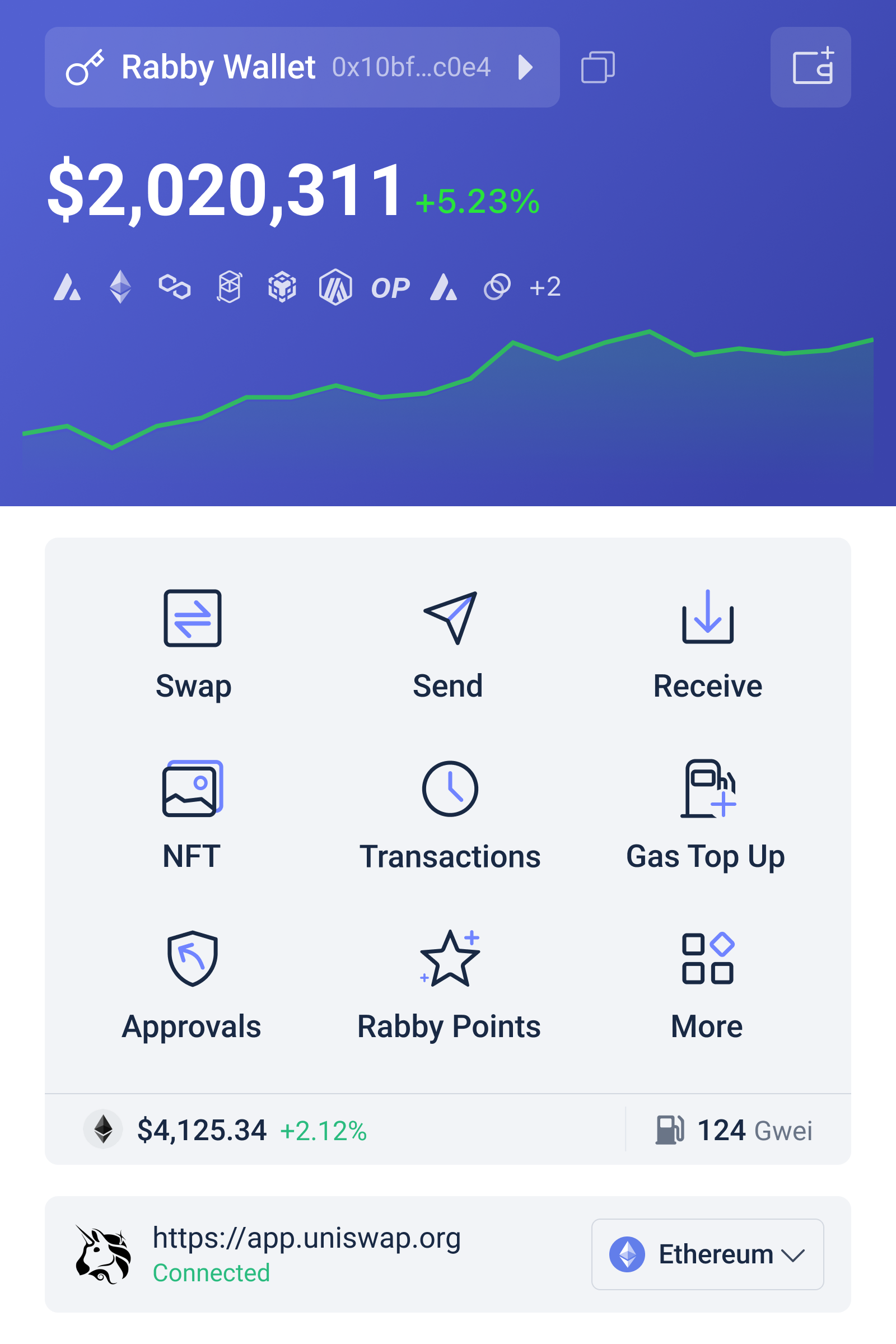
If you’re interested in wallets that emphasize transaction simulation and better approval management, check out this solution here. It’s not perfect, but it demonstrates how a focus on visibility and simulation starts changing outcomes for power users and newcomers alike.
I’ll be honest: no single wallet solves every problem. Some focus on UX, others on custody, and a few on deep-chain tooling. But the convergence is happening—wallets are beginning to act like risk managers, not just key stores. That shift matters for long-term adoption.
FAQ
Why is simulation better than a gas estimate?
Gas estimates tell you cost; simulation tells you outcome. A simulation runs the exact transaction against a snapshot of chain state, so you can see failures, slippage impacts, and allowance side-effects before signing. It reduces wasted gas on failed ops and surfaces contract behaviors that basic estimates miss.
Do simulations guarantee success?
No. Simulations are probabilistic snapshots: they reduce uncertainty but can’t control future mempool dynamics or front-running actors. They do, however, make those risks visible so you can adjust slippage, timing, or route choices—and that’s a huge win.
Should everyday users care?
Yes, but with nuance. If you only swap stablecoins occasionally, simulation feels like overkill. If you interact with DeFi protocols, bridges, or hold sizable positions, simulation and consolidated portfolio insights are game-changers. They cut avoidable losses and speed smarter decisions.